Should You Choose A Built-In Or Undercounter Fridge For Your Space
Choosing between built-in and undercounter refrigerators can be a challenging dilemma for homeowners. The right choice is crucial for optimizing kitchen space and meeting user needs. This article explores the unique features and benefits of each option, helping you make an informed decision for your kitchen.
What Built-In Refrigerators Are and Who They're Best For
Built-in refrigerators, also known as column refrigerators, are designed to seamlessly integrate with kitchen cabinetry, creating a sleek and modern look. Unlike freestanding models, these refrigerators are custom-fitted with panels that match the cabinetry, saving space and enhancing accessibility. They typically measure 24 to 36 inches wide and align flush with countertops.
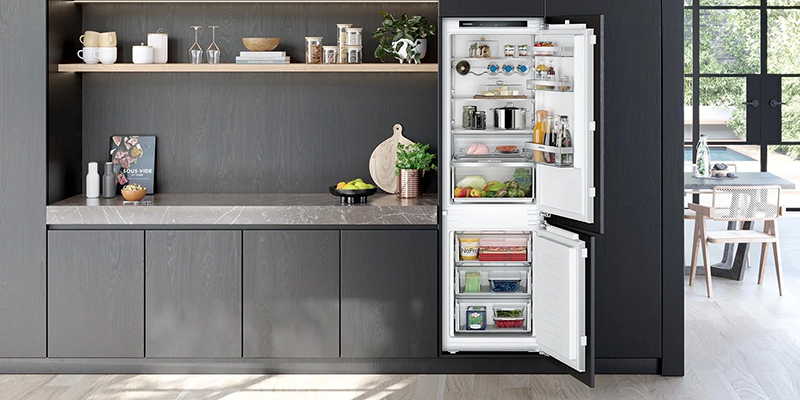
The main benefit of built-in refrigerators is their visual appeal, adding a luxurious touch to contemporary kitchens. With a storage capacity often exceeding 30 cubic feet, they are ideal for larger families or those who entertain frequently and need ample food storage. Built-in models efficiently utilize kitchen space and are perfect for homes with limited dimensions.
These refrigerators are best for larger families and frequent entertainers who value both style and functionality in their kitchen design. By choosing a built-in refrigerator, they get an organized, sophisticated food-storage solution that enhances their kitchen space.
Exploring Undercounter Refrigerators
Undercounter refrigerators are compact refrigerators designed to fit beneath countertops, typically 24 inches wide and 32 to 36 inches tall. They offer extra cooling capacity without taking up much floor space, making them ideal for apartments, office break rooms, or home bars.
These refrigerators are easy to install in various locations without major remodeling and are available in a range of styles to enhance kitchen aesthetics. They're convenient for accessing beverages and snacks, boosting user satisfaction. Perfect for small-apartment residents or those needing dedicated beverage storage, undercounter refrigerators offer a practical, adaptable solution for modern kitchens.
Size Comparison
When it comes to refrigerator capacity, built-in models generally offer a larger volume than undercounter models. A built-in refrigerator can range from 20 to over 30 cubic feet, while undercounter models typically offer only 5 to 15 cubic feet.
Things to Consider:
- Kitchen Layout: Evaluate how a built-in integrates into cabinetry versus how an undercounter unit provides convenience without excessive space consumption.
- Storage Needs: Consider the volume of food and beverages you typically store to determine the best fit.
Price Comparison
Significant price differences exist between built-in and undercounter refrigerators. Built-in models typically range from $1,500 to $5,000, excluding installation, which can add an extra $500 to $1,000. In contrast, undercounter options generally are more cost-effective, ranging from $800 to $2,500, with installation costs typically $300 to $600.
In terms of long-term investment, built-in refrigerators may ultimately prove more cost-effective due to their generally superior energy efficiency, particularly among reputable brands. Despite their higher upfront costs, the potential savings on energy bills and decreased repair requirements can be significant over time. For instance, an energy-efficient built-in may save you around $100 annually compared to a less efficient undercounter model. Assessing these financial factors will guide budget-conscious shoppers toward the optimal refrigerator choice for their kitchen needs.
Ventilation, Noise Level, and Energy Use
Ventilation
One of the core differences between built-in and undercounter models is their ventilation method. Built-ins often require front ventilation to ensure efficient air circulation, while undercounter units may use rear ventilation or require space for heat dissipation.
Noise Level
Noise levels also differ between the two types. Built-in refrigerators are designed for quieter operation, typically ranging from 35 to 45 decibels (dB), while undercounter models can average around 40 to 50 dB.
Energy Use
In terms of energy efficiency, built-in refrigerators typically use less power than undercounter models due to advanced technology. Built-in units usually have an annual energy use of 300-600 kWh. Conversely, smaller undercounter refrigerators may seem economical but can consume 400-800 kWh annually. This discrepancy suggests that larger capacities may be more energy-efficient overall.
Installation Considerations
When it comes to installation, built-in and undercounter refrigerators differ significantly. Built-in models typically require professional installation due to their size and the need for precise cabinetry adjustments to ensure a seamless fit within kitchen designs. Conversely, undercounter refrigerators are often better suited for DIY enthusiasts, as they typically require only minimal modifications to existing spaces.
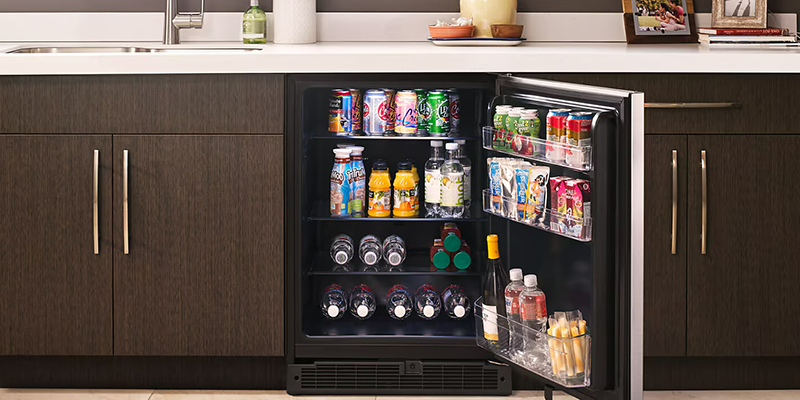
Before making your choice, evaluate the cabinet or space alterations necessary for each type. Built-in varieties may require custom cabinetry to ensure they align with kitchen aesthetics, while undercounter options typically fit within standard cabinetry, making placement easier.
For optimal kitchen efficiency, consider placing your refrigerator near preparation areas and meal-serving zones. This strategic positioning not only enhances workflow but also contributes to a more enjoyable cooking experience.
Maintenance and Repair Costs
Regarding maintenance requirements, built-in and undercounter refrigerators have differing needs. Built-in models often boast longer lifespans—usually exceeding 15 years—and lower rates of mechanical issues due to their stable installation. Conversely, while they may be more budget-friendly, undercounter units typically require more frequent repairs due to their compact mechanisms and susceptibility to kitchen conditions, which can reduce their overall reliability.
For optimal efficiency and to prevent costly repairs over time, regular maintenance is essential. For built-ins, ensure the cooling vents are clear and perform annual cleanings of the condenser coils. For undercounter models, monitoring drainage performance and maintaining a clean seal helps maintain efficiency. Keeping temperature settings within an optimal range is crucial for minimizing component wear. Adopting a regular maintenance routine not only extends your refrigerator's lifespan but also protects your kitchen investment.
Practical Choosing Tips
When deliberating between a built-in and undercounter refrigerator, consider these critical factors: 1) Purpose: What will the primary use be? 2) Kitchen Space: How much room is available for installation? 3) Frequency of Use: How often will it be accessed? 4) Budget: What is your budget for this appliance?
Reflect on these questions before reaching your final decision:
How much food storage will I typically need?
Will this refrigerator integrate smoothly into my existing kitchen design?
Am I prepared to invest in a premium refrigerator for long-term use?
How often do I need to refrigerate or store items that require refrigeration?
Evaluating Your Options
In summary, choosing between built-in and undercounter refrigerators hinges on your kitchen design and storage requirements. Carefully assess your space to make an informed choice that reflects your specific needs. Don't hesitate to explore options or consult a professional for expert advice to ensure you select the ideal refrigerator for your home.